Skip to content
When you buy a new car, it comes with an owner’s manual that is full of important information. One of the most critical sections of this manual is the manufacturer’s recommended maintenance schedule. This schedule outlines a series of specific services that should be performed at certain mileage intervals—typically every 30,000, 60,000, and 90,000 miles. Following this scheduled maintenance plan is the single best thing you can do to keep your vehicle running reliably, preserve its resale value, and prevent major, expensive repairs down the road. It’s a proactive approach to car care that is far smarter and more cost-effective than simply waiting for something to break.
What is Scheduled Maintenance?
Scheduled maintenance is a carefully designed plan created by the engineers who built your car. It is a series of inspections, adjustments, and replacements of key components that are known to wear out over time. The goal is to replace these parts before they fail, not after. This preventative approach is designed to keep every system in your car—from the engine and transmission to the brakes and suspension—in optimal condition.
A Look at a Typical Maintenance Schedule
While the exact services vary by manufacturer and model, a typical scheduled maintenance plan will include:
- 30,000-Mile Service: This is often the first major service. It typically includes an oil change, a tire rotation, and a replacement of the engine air filter and the cabin air filter. It will also include a thorough inspection of the brakes, belts, hoses, and fluid levels.
- 60,000-Mile Service: This service will include everything from the 30k service, but will often add the replacement of other key components that are reaching the end of their service life. This can include replacing the spark plugs, and may also be the recommended interval for a transmission fluid flush and a coolant flush.
- 90,000-Mile Service: This is another major service interval. In addition to the regular maintenance items, this is often when other important parts are replaced, such as the timing belt (on some engines) and other drive belts.
The Major Benefits of Following the Schedule
Sticking to your car’s recommended maintenance schedule provides several critical benefits.
- Prevents Major Breakdowns: It allows a technician to spot and fix small problems before they become major ones. Replacing a worn belt is inexpensive; having that belt snap while you’re driving can lead to a catastrophic engine failure that costs thousands.
- Ensures Safety and Reliability: Regular inspection of your brakes, tires, and suspension ensures that your car is safe to drive. A well-maintained car is a reliable car that is far less likely to leave you stranded on the side of the road.
- Maintains Your Warranty: For a new car, following the scheduled maintenance plan is often a requirement to keep your factory warranty valid. If you have a major engine or transmission failure and have no record of performing the required maintenance, the manufacturer could deny your warranty claim.
- Increases Resale Value: A car with a complete and documented service history is much more attractive to a potential buyer and will command a higher resale value. As the non-profit Car Care Council emphasizes, a well-maintained vehicle is more valuable and safer.
Your Dallas Scheduled Maintenance Experts
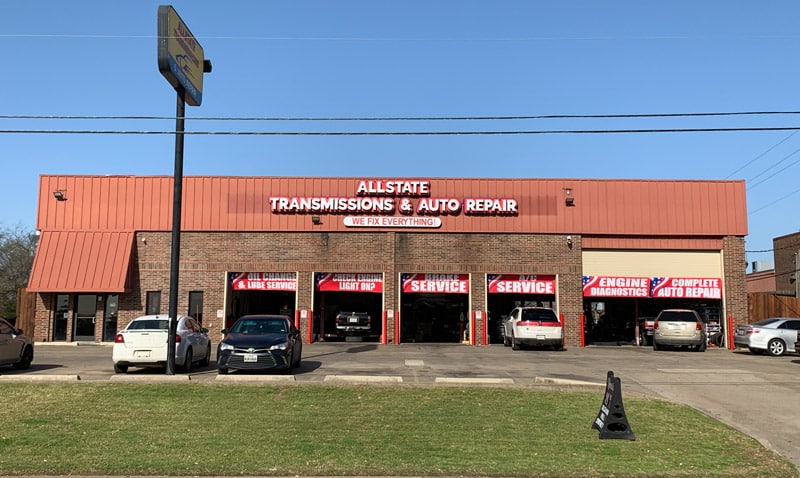
Following your vehicle’s factory-recommended maintenance schedule is the key to a long and trouble-free ownership experience. You don’t have to go back to the dealership for these services. For drivers in the Dallas, TX area, the certified technicians at Allstate Transmissions & Auto Repair can perform all your factory-recommended scheduled maintenance. Contact us today to schedule your next service interval.