Skip to content
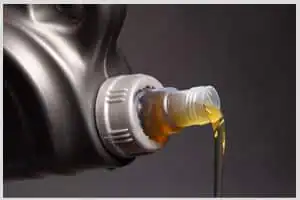
The oil change is the most common and most fundamental piece of routine maintenance you can perform for your vehicle. It’s a quick, inexpensive service, but its importance to the long-term health and longevity of your engine cannot be overstated. Motor oil is the lifeblood of your engine, and keeping that oil clean and at the proper level is the single most effective thing you can do to prevent premature engine wear and avoid catastrophic, expensive engine failure down the road. An oil change is much more than just a simple service; it’s a critical investment in your vehicle’s health.
The Critical Jobs of Motor Oil
Motor oil performs several crucial functions inside your engine.
- Lubrication: This is its most important job. Your engine is full of fast-moving metal parts, like pistons, bearings, and camshafts, that are constantly rubbing against each other. The oil creates a thin, protective film between these components, preventing direct metal-on-metal contact and drastically reducing friction and wear.
- Cooling: While your car’s radiator does most of the cooling, the motor oil also plays a key role. It circulates throughout the engine, absorbing a significant amount of heat from the combustion process and carrying it away from critical components like the pistons.
- Cleaning: As it circulates, the motor oil picks up tiny particles of dirt, carbon, and metal shavings that are byproducts of combustion and normal engine wear. These contaminants are then trapped in the oil filter.
- Corrosion Prevention: Modern motor oils contain special additives that help to prevent rust and corrosion from forming on the internal metal surfaces of the engine.
Why Does Oil Need to Be Changed?
Over time, your motor oil breaks down and becomes contaminated.
- Thermal Breakdown: The constant exposure to the high heat of your engine causes the oil to degrade, losing its viscosity (its ability to flow properly) and its lubricating properties.
- Contamination: The oil filter can only hold so much dirt. Eventually, the oil becomes saturated with contaminants that the filter can no longer remove. This dirty, abrasive oil can actually start to cause more wear and tear on your engine components.
Running your engine with old, dirty oil is like running it with liquid sandpaper, which will inevitably lead to premature and costly engine damage.
Conventional vs. Synthetic Oil
- Conventional Oil: This is a refined crude oil product. It is a good, affordable option that provides excellent protection for many types of engines.
- Synthetic Oil: This is a man-made, scientifically engineered lubricant. It is more resistant to thermal breakdown, provides superior lubrication in both high and low temperatures, and contains more advanced additives. While it is more expensive, it provides a higher level of performance and can often allow for longer intervals between oil changes.
As automotive resources like Edmunds explain, you should always follow the oil type and change interval recommended by your vehicle’s manufacturer, which can be found in your owner’s manual.
The Importance of the Oil Filter
Changing the oil filter is just as important as changing the oil. The filter is what traps the harmful contaminants. Putting clean oil into an engine with a dirty, clogged filter is counterproductive, as the new oil will quickly become contaminated. A new filter should be installed with every single oil change.
Your Dallas Oil, Lube, and Filter Experts
A regular oil change is the simplest and most cost-effective way to ensure your engine has a long and healthy life. For drivers in the Dallas, TX area, the experienced technicians at Allstate Transmissions & Auto Repair provide fast and professional service. We are your experts for a complete oil, lube, and filter change. Contact us today to schedule your next service.